


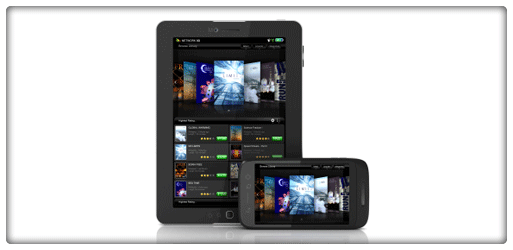





Last year, more smartphones than PCs were purchased, and 28% of internet usage is via mobile phone. With figures like these, it is obvious that it is important for businesses to make sure their websites are optimised for mobile users. Whether it is teenagers shopping, business professionals looking for information on the go or social media users clicking links that others recommend, they all appreciate the benefits of visiting mobile-friendly websites.
Consider these facts:
- 40% of mobile phone users use the web on their phone; 50% of these do it daily
- every 2 seconds, somebody makes an eBay purchase via their phone
- in the next three years, more people will access the web on their phones than on their PC
- mobile accounts for 15% of web traffic, according to Google
- 28% of Brits have used their phone to make an online purchase.
Ignoring the 3 billion mobile phone users worldwide is a naïve business decision. This ever-increasing market has significant purchasing power and the sooner websites optimise to suit these platforms, the greater success they will have.
Any company’s key business drivers are likely to include factors such as increasing sales and website visitors and generating new leads. Making sure a website is usable and attractive to mobile users is a very effective way of making sure you are not losing customers: if they click on your site and it is unwieldy, slow to load, and appears skewed because it is not optimised for mobile visitors, they are likely to click “back” and go to one of your competitors instead.
The ever-increasing popularity of social networking websites is another reason why having a mobile-friendly website is vital. 1/3 of Facebook users and ½ of Twitter users access these services via their mobile phone, so mobile optimisation is the key to capturing leads who access your site via links posted on social media sites.
What does it involve?
In some cases, optimising for mobile can be as simple as installing a plugin which takes care of the coding. For WordPress or Drupal sites, web designers can recommend the most appropriate plugins and install and customise them to make them suitable for a business’s needs.
For other types of sites, such as html or e-commerce sites, the solution is best handled by a web designer who specialises in this area. Once the work is done, even the most complex of online stores or business sites can be rendered in such a way that it is a joy for mobile phone users to navigate and make purchases from.
The many difference between computer screens and mobile phone screens mean that the page format, page load time, text size, image size, buttons, links and navigation must all be adapted to be appropriate for the smartphone user. It is not simply a matter of shrinking the page, the entire configuration has to be customised so that:
1. the site detects that a visitor is using a mobile platform;
2. the page loads the mobile-friendly version automatically;
3. the site is intuitive and easy-to-navigate, so that visitors don’t give up and go to your competitors instead.
Mobile phone internet users are now a huge market, so ignoring them will only increase your bounce rates and lose you customers. This market is constantly growing, so prioritising having a mobile-friendly website designed and built is probably the wisest business decision an organisation could make.